
Featured

Keep it Simple: Train with Purpose

We’ll get there if we just keep putting one foot in front of the other. Running can be so simple. Until it’s not. Especially when it comes to training. So many ways of going about it. So many terms thrown around, sometimes even describing the same thing. It all can sound incredibly complicated.

….Ventilatory Threshold, VO2max, Heart Rate Reserve, Block Training, HIIT, Critical Velocity, Periodization, Maffetone…..

Begs the question: is there a right way to train? And the answer to that is, as usual: it depends. Most certainly there are different routes that can lead to success. Therefore, when asking this question, be assured there will be as many answers as there are ways to become a better runner – assuming this is the ultimate goal of training.

What’s clear, however: there isn’t one “best” or “right” way to train. And that’s for a variety of reasons:

  1. Nobody has it all figured out:
    Science changes over time and makes new findings all the time. While some fundamental pillars stand the test of time, many parameters evolve over time.
  2. Humans are complex:
    One person is never the same as the one next to him or her. Different athletes react differently to the same training stimulus: what works for one may not work for someone else.
  3. Psychology changes the equation:
    Human physiology is pretty well understood, particularly in the context of training. Much less so is the psychological aspect. Running is, first and foremost, an act of moving the body forward. That requires energy, hence it’s physiological. Yet, the mental side plays a vital role in motivation, discipline, perceived exertion, the conscious response to fatigue or pressure in race situations.

It’s complicated, right? It doesn’t have to be, though. Because if we get the fundamentals wrong, then all nuances and tiny details become rather meaningless. This is true for most things in life, but especially true for training.

Train with Purpose

Before focusing on individual workouts, interval paces or rest periods, we need to start from the very top. We need to figure out the purpose of our training.

With purpose I mean: what am I training for? Perhaps a specific race, or an individual skill, strengths or weakness I want to address. Put simply: a goal. Knowing what I want to achieve with my training over the next weeks, months or even years – even on a high level – is key to work with purpose towards this goal.

In the next step we can break it down further and start thinking in greater detail about: what’s the purpose of my next run and how does it serve my goal?

Usually this is the moment when things can become messy. Because, as alluded to earlier in this piece, there are so many different ways to train and many more ways to describe it (think about the rich training literature, running related channels on Youtube, athlete blogs… so much is out there to consume, take in and digest). Don’t get drawn into all the “chaos”. Have a clear focus on the fundamental purpose of a given run instead.

In my view there are three distinctly unique purposes for a run:

  • Recovery
  • Maintenance
  • Stress

This is to answer the why am I doing this run. Without a clear purpose – the why – there isn’t a what and certainly not a how. Of course, this happens on a high level and the more granular details have to be applied afterwards when the exact context of the environment has to be taken into account as well.

Improve with Purpose

We train to improve performance. But how does the body improve? Through a process called Supercompensation:

When we stress (training) the body with a new (and appropriate) training load and then give the body time for appropriate recovery, then the body will not only return to the previous baseline, but supercompensates in order to be prepared for a greater future training load.  
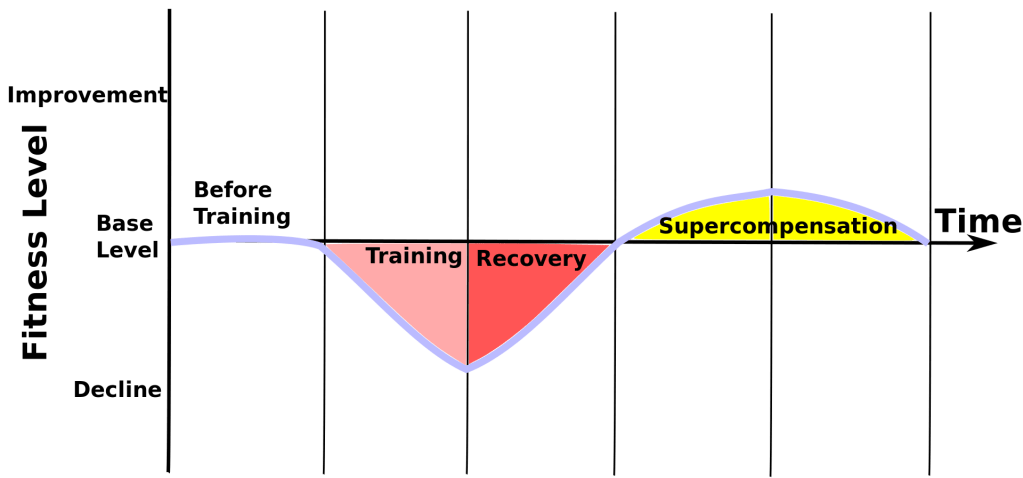
So, if we want to improve performance we need to train (stress) the body in order to elicit adaptations to the (new) stress. But it’s not only the actual training that improves performance. The adaptions, and with that the improvements, will occur during the recovery period, when the body readies itself (adapts or supercompensates) for the new (future) stress.

This shows the importance of adequate recovery. Because we want to give the body time to be prepared for the next “stressful” workout. Important to note that’s not always a linear process. Some adaptations take longer to materialize and require a longer recovery period.

With that in mind one can think of training as a constant cycle of stress, recovery and maintenance with all three of these pillars being interdependent:

“Stress” is training with the purpose of eliciting a response from the body, i.e. adaptation. Think tempo run, VO2max intervals, hill reps, long runs.

We need to clarify “stress”. To some extend it does depend on the level of the athlete. For a beginner on a Couch to 5k plan the simple act of getting out for a run is “stress”. For a well-trained runner this very same run at “beginner pace” will not be perceived as sufficient stress.

In general, though: stress is often referred to as a “workout”. This is quality work, high intensity or race specific. It’s your tempo run, threshold session, VO2 max intervals, hill repeats or long marathon specific runs – usually the stuff that is hard/long/intense enough to create a desired response (adaption) from the body, i.e. improvement.

But we can’t always stress the body. Because, as outlined before, the magic happens during the recovery. If we always stress the body without sufficient time for recovery, our performance will suffer. The body won’t be able to restore the energy required for the next intense workout, or perhaps even race. And without adequate recovery there is no time for the body to absorb the training and adapt to the stress, i.e. no improvement, but only a danger of overtraining.

Recovery can be passive (complete rest), although, if possible, active recovery is preferred. The topic of the recovery run remains hotly debated. Personally, I have come around to valuing its benefits. Active recovery doesn’t need to be running, though. It can be cross-training like swimming, cycling or hiking. Anything that keeps the body active without putting any significant stress on the system.

Different workouts (stress) require different recovery times. In fact, some parts of the body recover faster, others slower. And therefore adaptations to training can differ widely as well. Hard anaerobic workouts require an extended recovery period and have a longer time to realise adaptations from as opposed to purely aerobic work:

Use It – Don’t Lose It

After a hard workout, say 5x 1k reps at Critical Velocity pace, the body needs time to recover before it can perform to the same high standard again. The solution isn’t to do nothing for a few days, bar the odd slow jog around the park for half an hour. While we need to recover from this one specific workout, we also need to maintain what has been gained in the past.

This is where maintenance becomes critical and is distinctly different from pure (active) recovery. Maintenance work usually slots in when the initial acute recovery period is over, but we are not yet ready for the next stressful workout. In other words: keep the body ticking over. These “bread and butter” workouts prevent the loss of fitness, speed or strengths, and prepare us for getting ready for when it’s “Go Time” again.

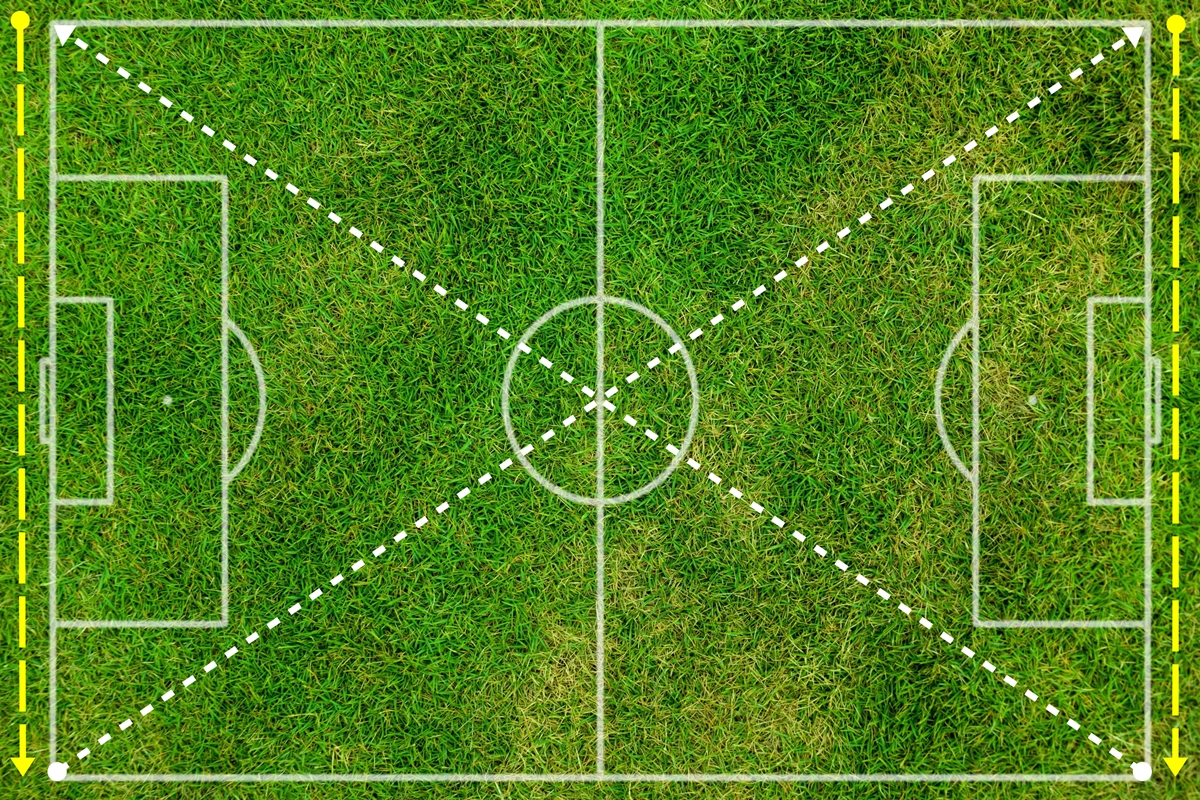
A good example of maintenance work could be a relaxed 45min endurance run with a few strides tagged on at the end, or Diagonals on the grass – something the Kenyans enjoy doing.

Maintenance is also critical for speed. Particularly when training for a marathon or long mountain race, speed- and anaerobic work plays little to no role in the daily training schedule of many runners and may end up being neglected. But: don’t use it and you’ll lose it. Therefore adding some faster stuff once in a while, even if this isn’t race specific at first glance, is still important. It’s always easier to maintain what has been acquired, at least to the most part, compared to gaining it again.

Keep it Simple: Train with Purpose

The constant cycle of stress, recovery and maintenance is what training should be build around. This is a simple enough concept. When we go out for a run we need to be clear about the purpose of the run.

What am I doing and why am I doing it: recovery run? A workout to maintain what I have gained in the past? New stress? The overall training history will provide the necessary context.

In keeping with this concept, we are offered flexibility at the same time. Because even if my training plan would call for a specific workout today, I can still adjust depending on how my body feels. If I don’t feel fully recovered and ready for the workout yet, I can change its purpose accordingly.

Therefore the run will still have the clear purpose we want, and isn’t wasted on a workout that couldn’t be executed properly.

I feel we runners tend to get lost far too often in the nitty and gritty of workout details: the exact interval time, rest periods, lengths of the reps or specific heart-rate zones. All of it has its place, for sure. Nonetheless, a lot of it can confuse more than it helps to get runners focus on what is really important: the fundamentals.

Doing the fancy new pyramid interval workout in the latest Runner’s World magazine may seem fun. But if I don’t put it in the context of my training and understand its purpose then it may do nothing for improving me as a runner.

So, keep it simple. Stress the body sufficiently and regularly but give it ample time to recover while maintain what has already been gained.

I am fully aware that some of the explanations and concepts outlined here are an oversimplification of human physiology and training science. This is deliberate. There are way smarter people out there, who go deep into every little- and important detail. What I maintain, though, is that those details matter little if the fundamental parts of training are not understood nor put into practice.

———–

Photo Credit:
Supercompensation Graphic: By Haus – Own work, CC BY-SA 3.0
Featured

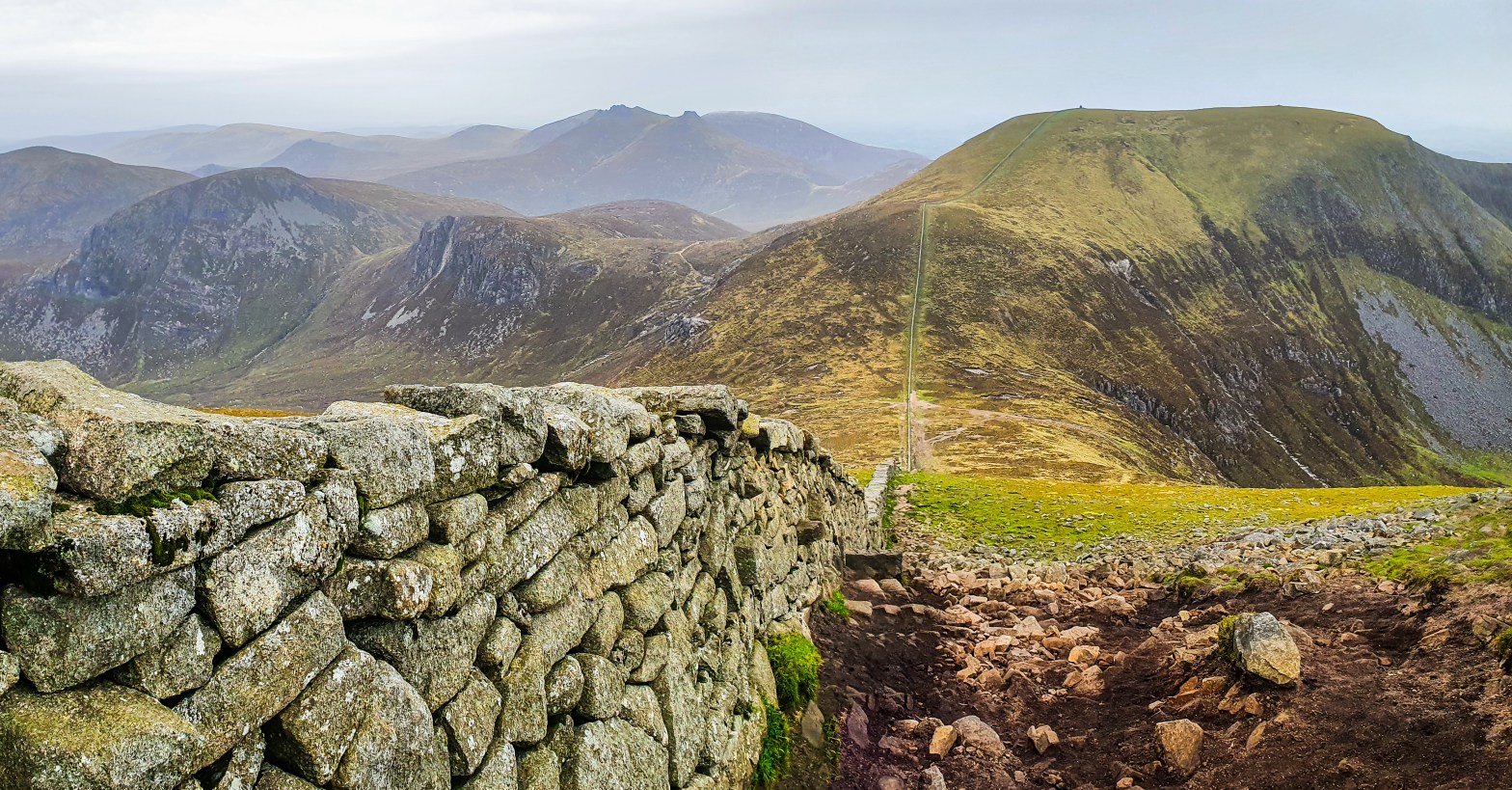
Mourne Wall Challenge

The only thing of importance: putting one foot in front of the other. Focus on the next step. Fully present in the here and now.

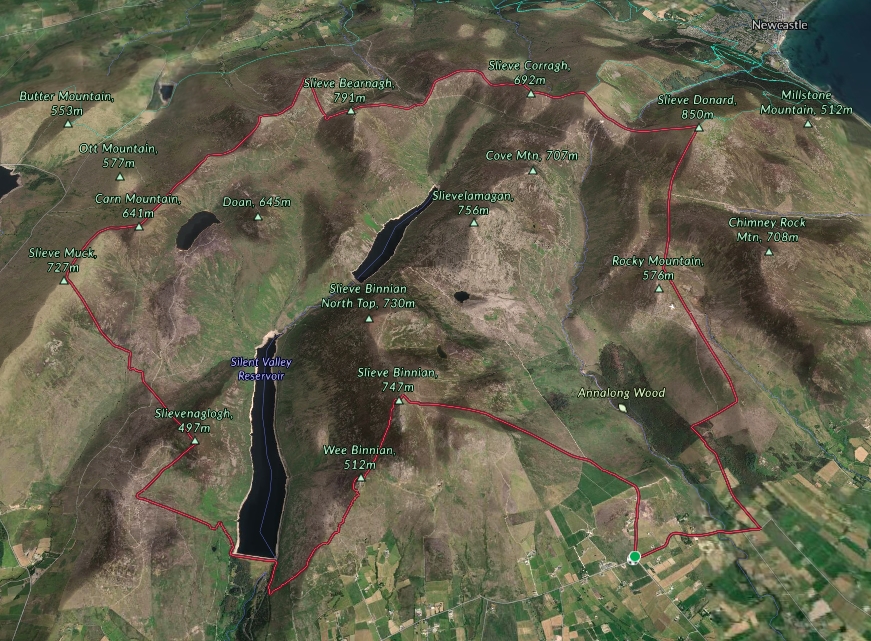
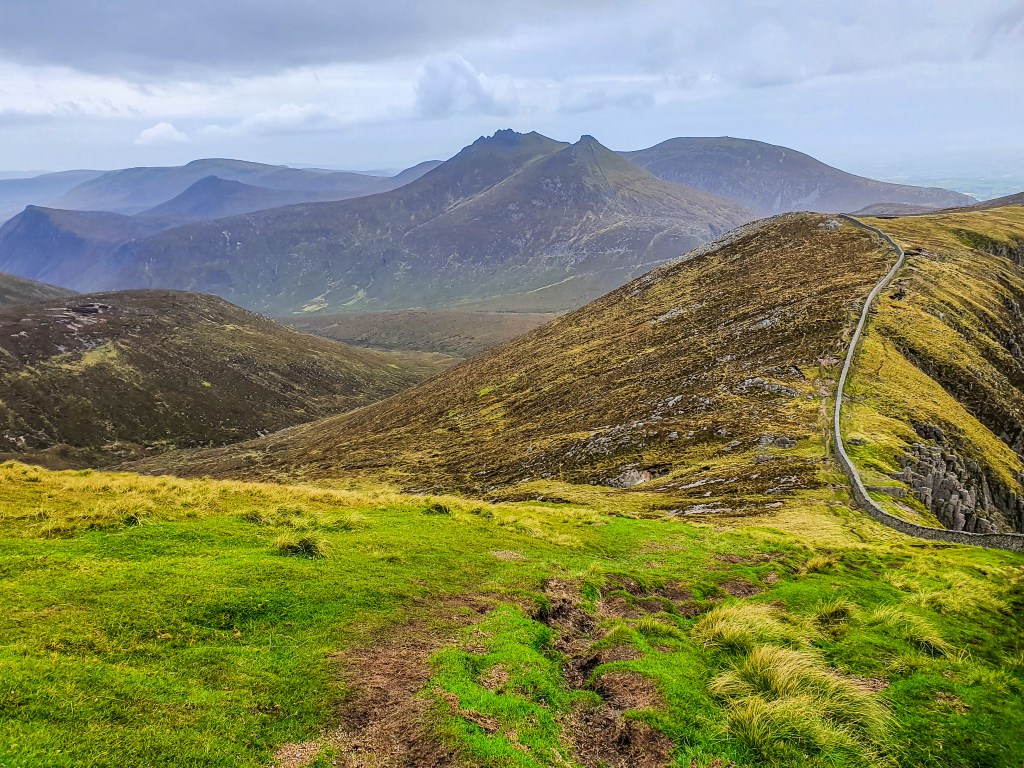
Autumn 2020: This was on the bucket list for a while. Delayed for a variety of reasons, but finally here: I’m standing right beside the Mourne Wall in a bid to complete the ‘Mourne Wall Challenge’: a 30-34km long loop (depending on the exact route taken) that appears simple enough on the surface.

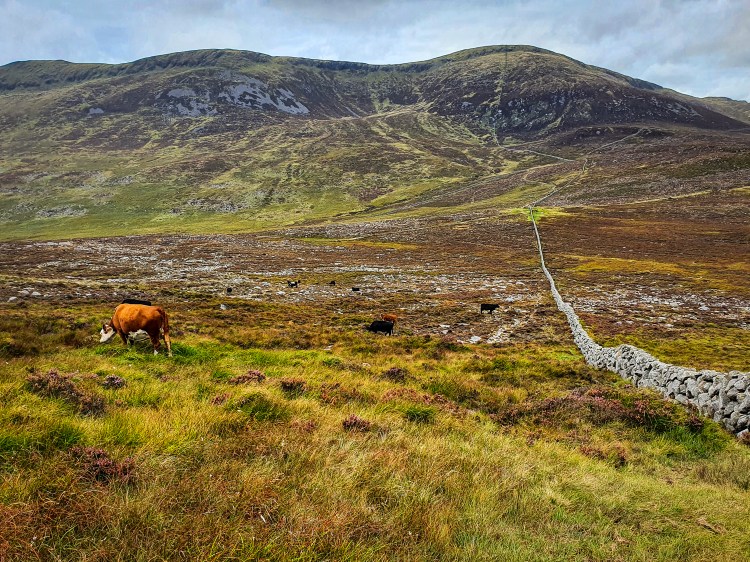
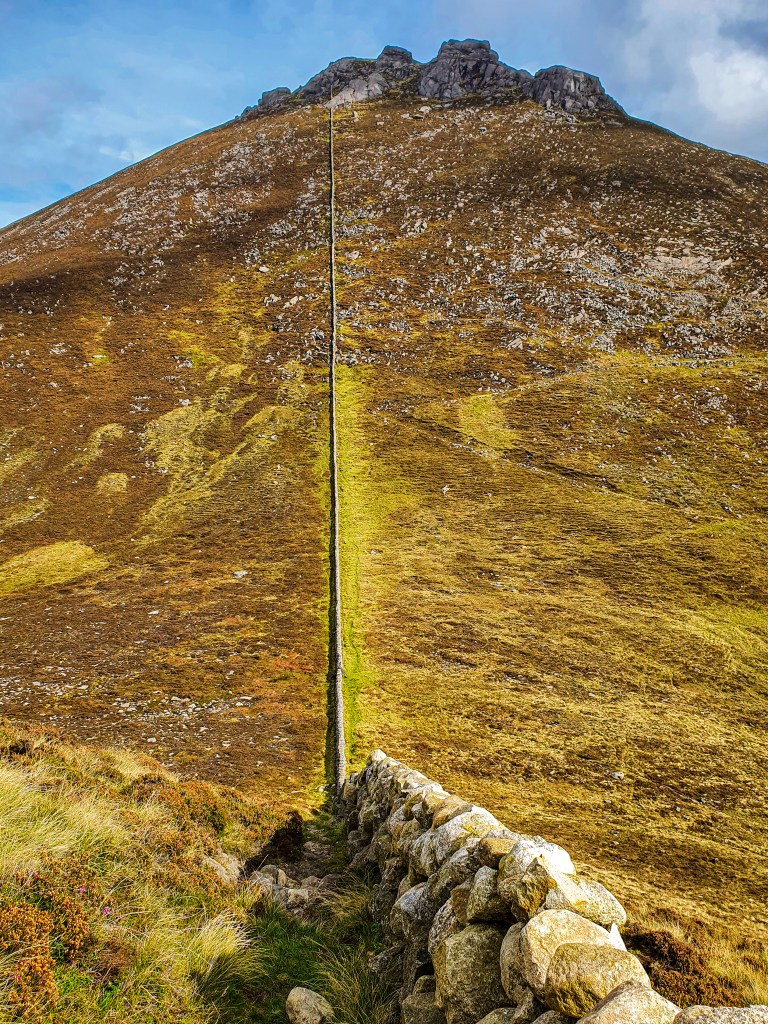
All you have to do is following this one and half metre high stone wall over 15 peaks across the steep and rugged terrain of the Mourne Mountains in the East of Northern Ireland. Easy. Right?

The Wall

A major feat of construction back in the day, built in the early twentieth century with the purpose of enclosing the Silent Valley Reservoir – which is serving Belfast with fresh water – and the aim of keeping the roaming cattle and sheep away from the precious water.

It must have been an exhaustive work getting the stones to build the wall all the way up those steep mountains. Crafted from natural granite stone using traditional dry stone walling techniques, the wall remains – to the most part – in pretty decent condition and can be seen from all over the Mournes.

The Challenge

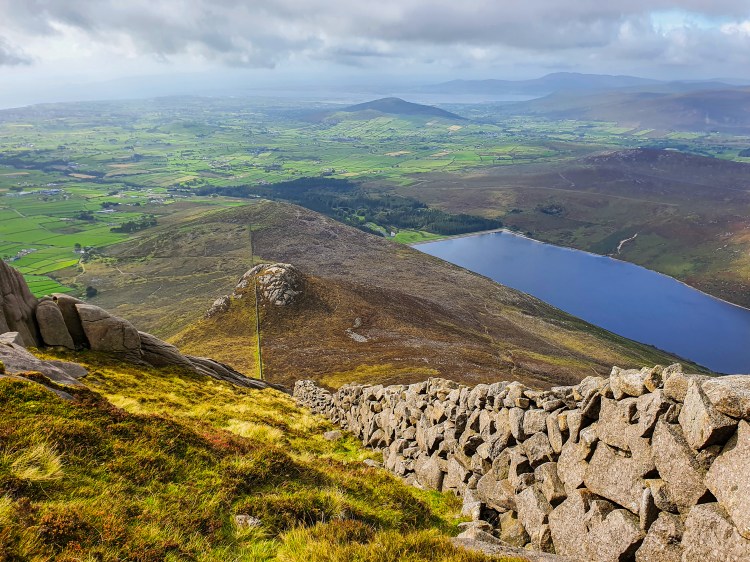
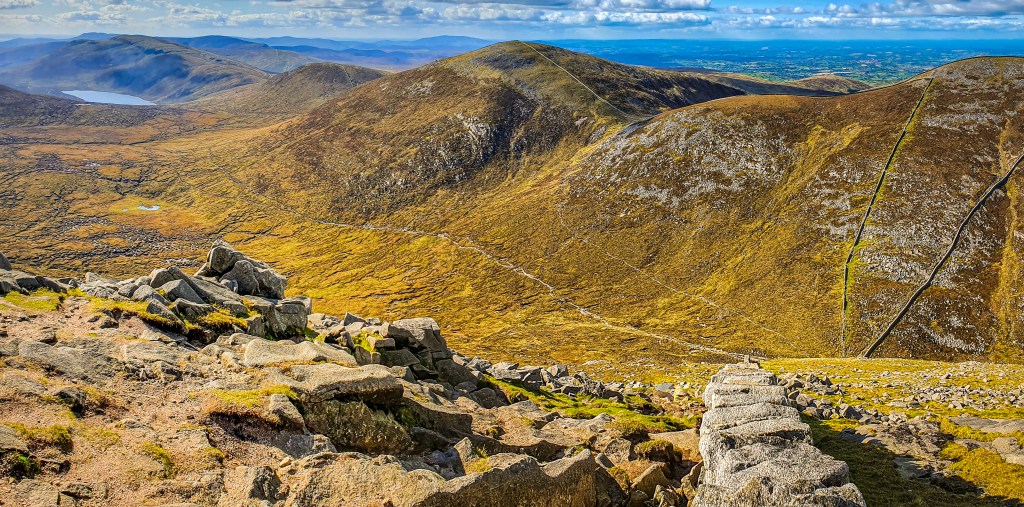
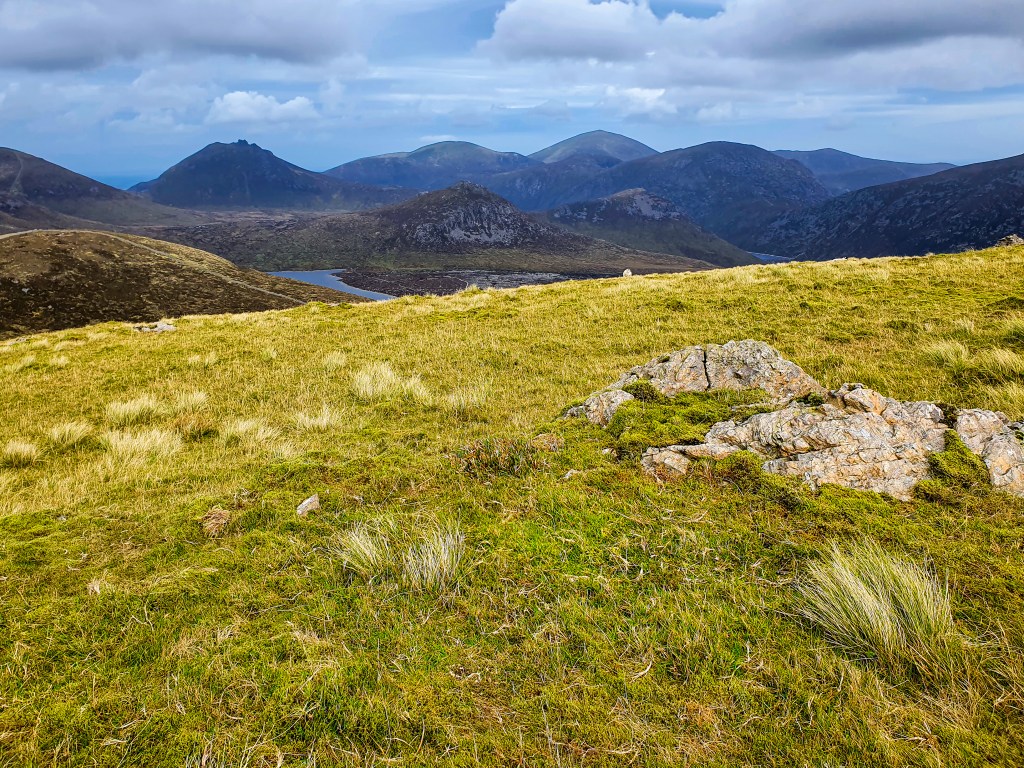
Standing on the edges of Slieve Binnian, after a 30 minute power hike up the very first steep ascend of many more to come on this loop, the views are breathtaking. Down in the valley I can make out the water reservoir. I’ll need to get there next. Begs the question: how?

Is there really a safe way down this mountain? The descend appears frighteningly steep: I’m having second thoughts. This can’t be the “official” trail.

Sliding down on my arse on raw granite rock, soon enough boulders turn to wet grass and everything gets a little easier, although it’s still remarkably steep and I make a mental note: one day let’s try to climb up Binnian this way. Not today, though. Happy enough to survived the descent.

Passing Silent Valley, then wading through the bog and pushing up the short but rocky – and dare I say it – brutally steep climb to Slievenaglogh, I’m approaching the infamous Slieve Muck. It’s steep – of course! Which is why the wall breaks in some parts and you have to detour to avoid a near vertical granite wall.

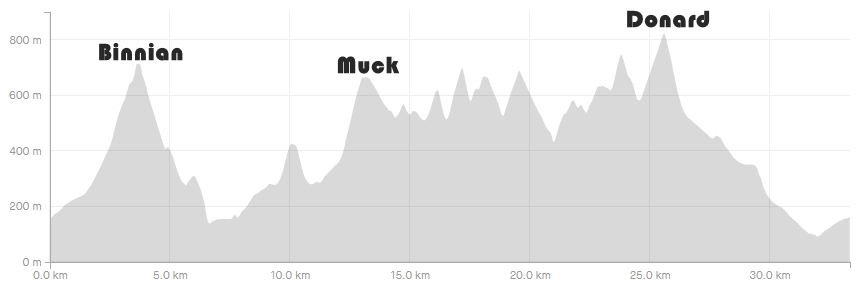
The Muck climb averages 30% over merely 1km, and awaits with 40%+ gradients in its steepest section for a 310m elevation gain.

The hard work is worthwhile. The views from atop the 670m high peak are splendid. On the other hand, as far as the loop goes, this only marks kilometre twelve! Still a long way to go; albeit a lot of the climbing is already out of the way, what’s to come isn’t for the faint-hearted either.

The following five kilometre long stretch to Slieve Meelmore is less spectacular, yet an even more so draining affair: a constant up and down, and looming larger with every passing mile comes Slieve Bearnagh into view. From some angles this mountain appears rediciouslily steep and simply impossible to climb, particularly when dark storm clouds hanging low.

It isn’t nearly as impossible once climbing it, which doesn’t mean the 500 metres averaging a 32% gradient wouldn’t feel like hell, even more so with driving winds and rain pushing from the front!

The good: more than half the journey is done at this point. And the final third offers a long downhill, once all hills are successfully negotiated over the next stretch of six kilometres.

The bad: It’s three more steep, brutal and unrelenting climbs – including the highest peak of Northern Ireland, which is fittingly the final one to conquer!

This section is hard. Legs are tired, quads burning, knees hurting, after hours on end of running and power hiking up and down, the ascents to Slievenaglogh (same name, but not the same mountain as the similarly named in the south of the Mournes), Corragh and Commedagh feel all the harder. They aren’t overly long, but steep and energy sapping as they arrive back to back in quick succession.

Personally I found these smaller but extremely steep hills the most difficult to negotiate. The longer climbs, as hard as they are, allow for finding a rhythm. These rolling stretches don’t allow for that luxury. It’s up and down constantly on steep, sometimes technical terrain. You have to focus all the time, for every single step…. until you finally stand at the bottom of Slieve Donnard.

Donnard is the highest mountain in Northern Ireland, towering at 853 metres over Ulster. It’s seems a never ending track to the top.

This is a proper grind. But that suits me. Grinding it out, simply putting one foot in front of the other, settling into an energy preserving slog. One has the luxury of more or less regular stone steps here. Although it’s the final climb after a long day and the highest point of the route with a 32% gradient, Donard feels like the easiest climb of all the major ones.

The home stretch: Practically all downhill, bar the final kilometre on the road back to the car park (rising a paltry 6% on average – feels like 20% at this point in time, though). I run on top of the wall here, to avoid the awful bog.

It took me more than eight hours to complete this first time (even longer, if taking breaks into consideration).

The Race Effort

I had to come back and go all out. Two weeks later it was time for my next attempt. Having mapped out strict time schedule beforehand, the aim was a sub six hours finish. Ambitious yet somewhat within reach, or so was the hope – a stretch goal, given I had quite a few hours to cut on a running clock from a fortnight ago.

A purposeful yet energy efficient effort takes me to the top of Slieve Binnian in 40 minutes. Knowing my way down this time, I’m ahead of the schedule when arriving at Silent Valley Reservoir, the lowest point of the route.

Life is good after a short but steep and rugged climb up Slievenaglogh. I pass a number of hikers that struggle on the middle section with its leg breaking 40% gradient. 10k in, one third done: it was a blast!

The second of the “key climbs” is next on the agenda and suddenly I feel like going backwards. I hastily munch a “Kinderiegel” for some well needed energy boost. It doesn’t help.

Halfway through the ascent of Slieve Muck nausea sets in, my pace slows dramatically. I hardly make progress. I’m on the limit on every subsequent climb as well -the tank is empty.

Analysis will show afterwards that in this middle section I was hardly faster than two weeks ago, when travelling like a tourist through the landscape, stopping for photos and chatting with fellow hikers. With more than half of the route still to go I am “kaputt”. Sub Six is slipping away. But there is no easy way out here. Keep moving for a few more hours and enjoy the experience, I say to myself.

Thankfully the constant up and downs keep the mind occupied. Also: I am much faster in the final third of the loop this time, recovering from the earlier issues. This, together with the fast start to the day, means I arrive back at the car in 6 hours and 44 minutes – a lot faster than the first attempt. But there is nothing left in the legs as I stop the watch. This is so brutal yet so beautiful all at the same time!

The Mourne Wall Challenge is a highly rewarding route. The views are spectacular. It certainly never gets boring: up and down, up and down…. It’s worth to take the time to admire the landscape. Simply soaking it all in. It’s equally worth if one ones to test their physical (and mental) limits.

But be warned: these mountains are ruthless. There’s no hiding. Only pure muscle strengths in calves, glutes and quads will get you to the top.

The Mournes aren’t particularly high in the grand scheme of things. The climbs aren’t overly long. However, the steepness is something else. It certainly was a shock for my system.

The Wicklow Mountains are wonderful – they are my regular playground – but rather rolling and with few exceptions nowhere near as steep as the Mournes are. I found running the steep climbs impossible and it was power hiking most of the time. Which is a discipline in itself worth working on in training if someone wants to go really fast and hard for a FKT attempt perhaps on this loop.

I for one will be back. Not in two weeks. But maybe in spring 2021 – fate (or pandemic) permitting.

Braveheart Hill

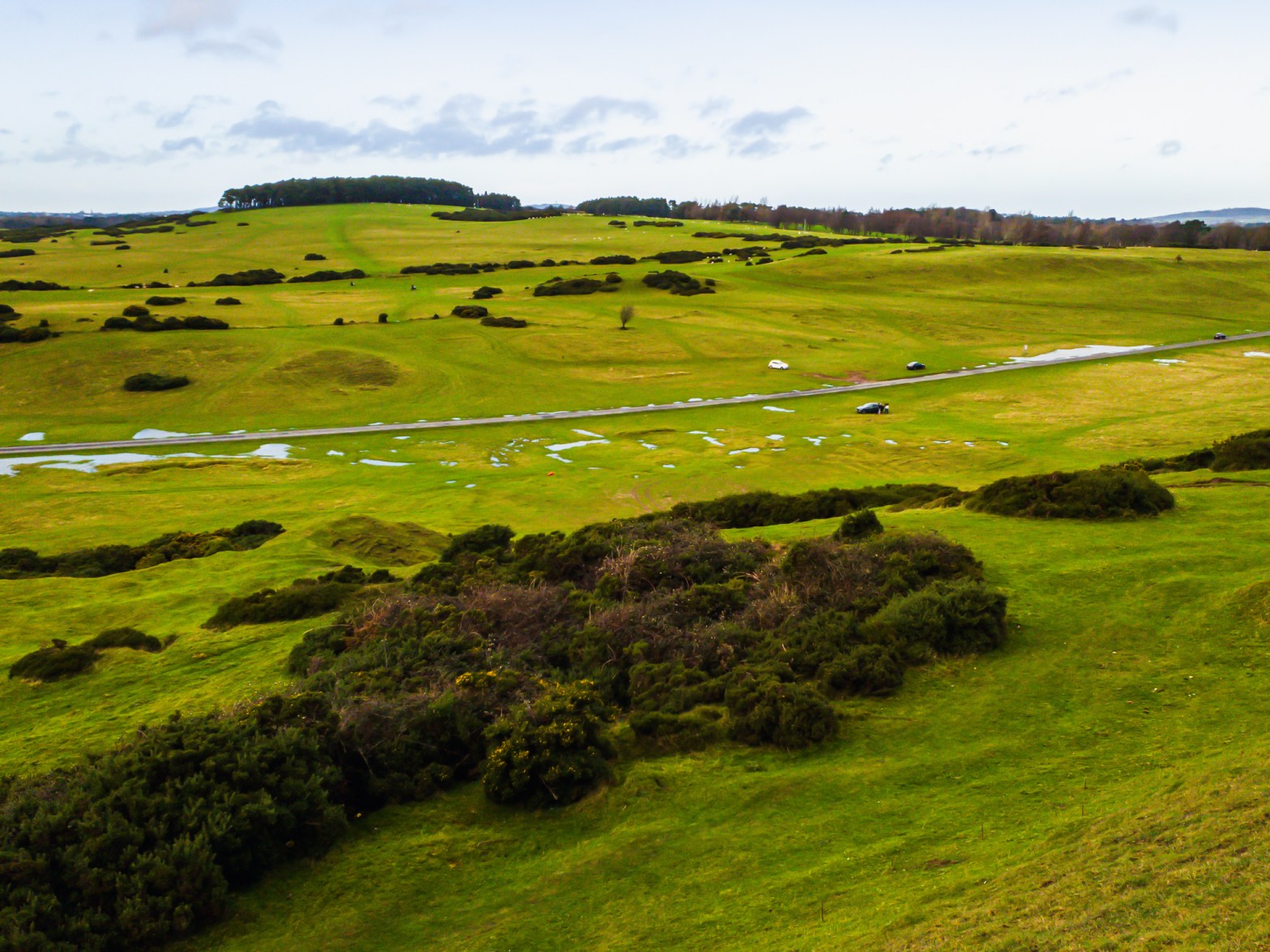
Famous for starring in the movie Braveheart as the place where William Wallace fought the bloody Battle of Stirling, this hill offers the perfect setting for some fun hill repeats.

Semaphore Hill, as is the real name for the hill, “towers” at about 150m over the plains of the Curragh. This vast area stretches to almost 5000 acres. The name “Curragh” comes from the Irish word Cuirreach, meaning “place of the running horse”, so it’s quite fitting that it also doubles as an excellent place for running.

Those who have watched the movie Braveheart, will be familiar with the famous (and quite brutal) Battle of Stirling scene: fearless Scots sprinting up the hill to fight, and ultimately defeat the English army.

In that sense, one could argue: running up the hill means channelling the ‘inner William Wallace’.

The hill isn’t overly steep. Ideal for hill sprints or some longer reps that spike the heartrate. The hill is about 400-600m long, depending on where one counts it to start and finish. There’re a bunch of different ways to get up to the forest, with those from east to west the most prominent. A bunch of Strava segments exist as well, for those keen to chase the crown!

Even if it rained heavily, the land has excellent drainage characteristics and the hill is always runnable. It’s a place certainly exposed to the elements, though, so can be quite blustery – adding some extra spice, if needed.

What I like about this area in particular: opposite to Braveheart Hill you can find another selection of small and sharp hills. They vary in grade and generally tend to be 60-150m in lengths.

I love using Braveheart Hill for the longer 400m reps, running up hard without going completely into the red, with a jog down as recovery, turn around and go up again. Before moving over to the hills on the other side for a few quick, powerful sprints.

This is a great place for a proper hill workout. The difficulty can be adjusted through the number of reps, rep lengths, recovery time and actual speed. The plains around the hill offer additional k’s to get into the legs, if one wishes to do so.

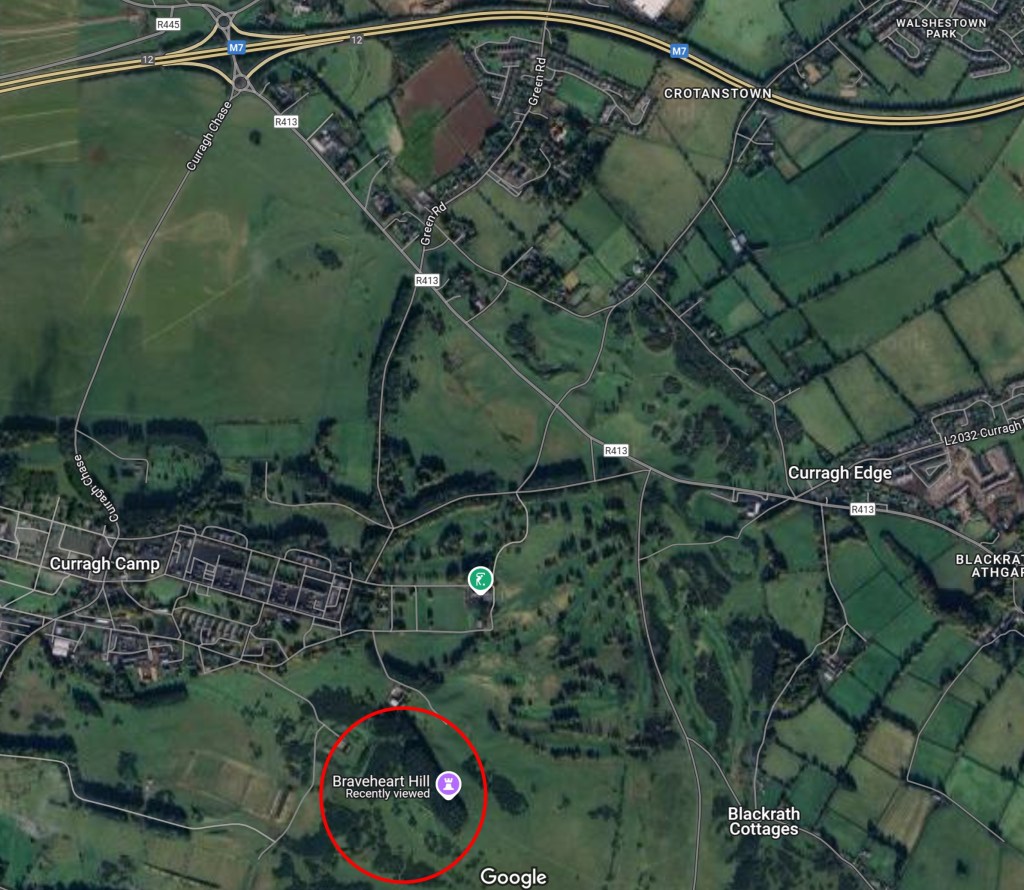
Getting here is easy: the hill is only a few minutes off the M7 behind the Curragh Camp. A small road runs past it and parking is available anywhere left and right on the grass:

If I don’t want to drive all the way to the Wicklow Mountains but crave some solid hill work, I’ll drive down to this area. It builds strengths, speed and mental fortitude.

Find Braveheart Hill on Google Maps

Sorrel Hill

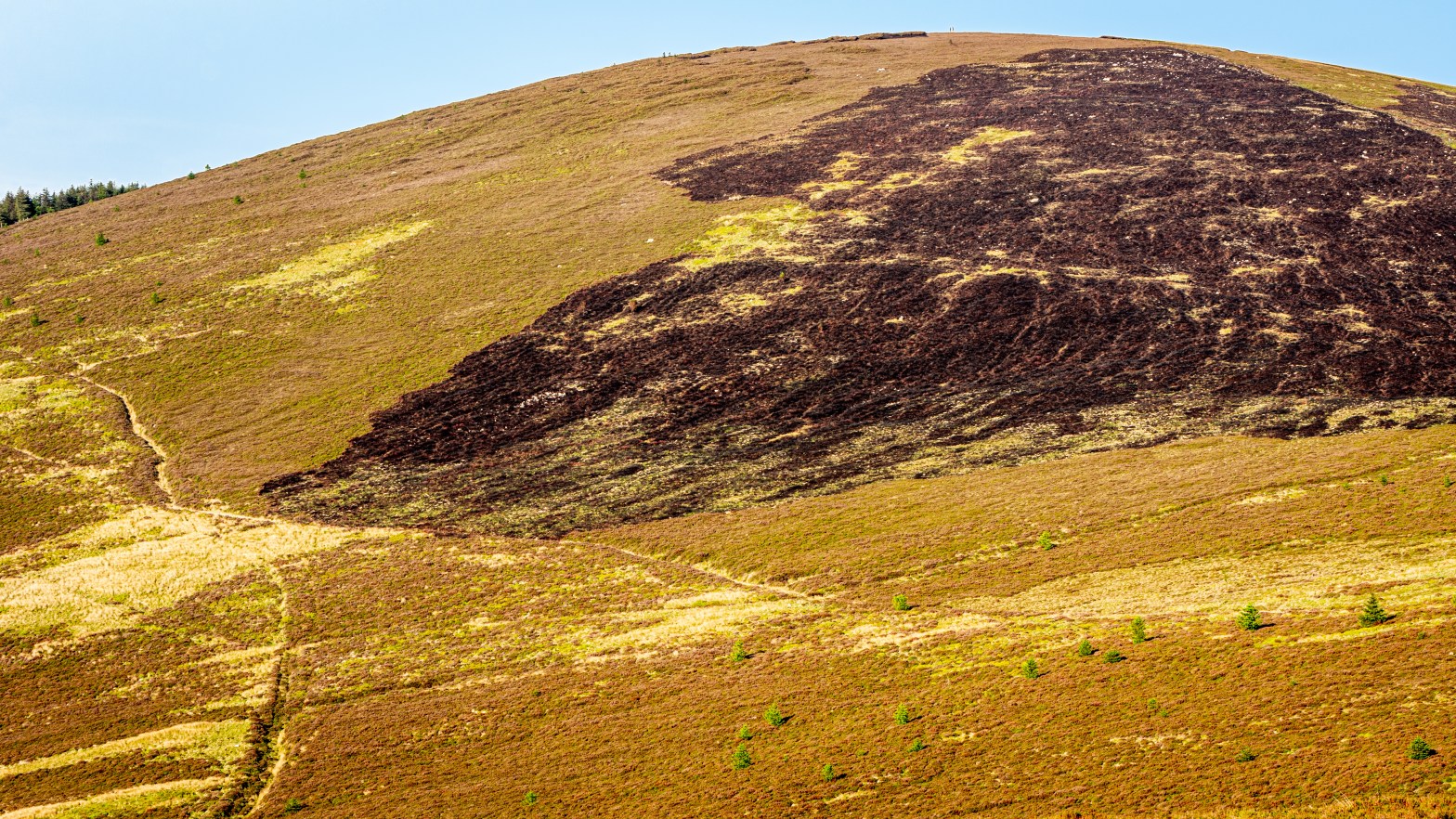
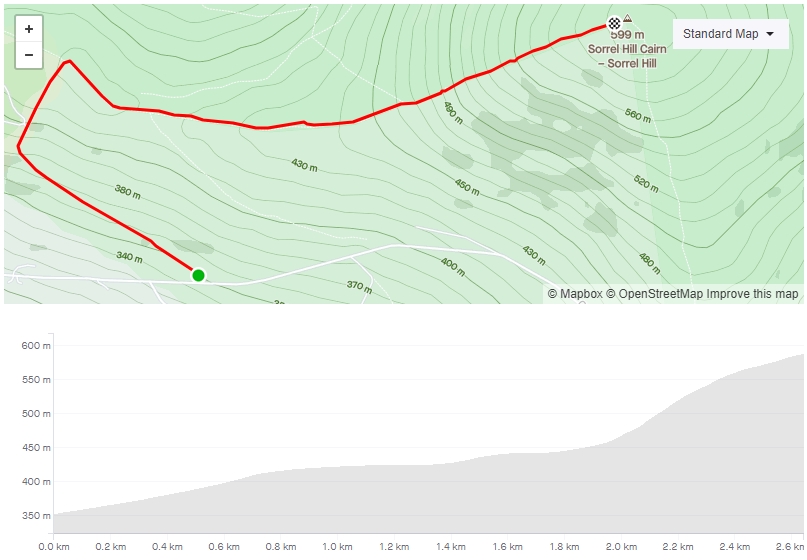
Short and sweet with sensational 360° views from the top, overlooking the Poulaphouca Reservoir (aka Blessington Lake) – this is one of my local favourites.

There are two main routes leading to the summit of Sorel Hill. Both start from different spots along the Gap Road and can be easily reached with parking space available.

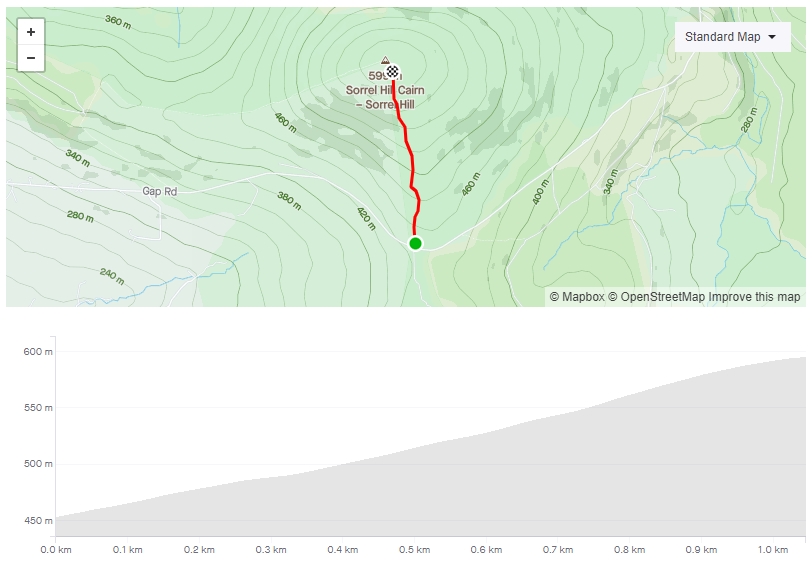
The shortest and most direct way up to Sorrel Hill can be found right opposite of the Black Hill car park. This is a 1km trail and pretty much straight up. Beware: it’s usually muddy and slippery, unless there was a significant dry period.

Nonetheless this is a completely runnable trail, averaging just below 14% gradient, with only a few steeper stretches toward the end when the summit is already within reach.

The second option, and perhaps most attractive one, starts from further down the Gap Road toward the village of Lacken and is 2.6km long in its entirety.

Going this way actually consists of two climbs: an initial “pipe opener” right from the get-go, followed by a flatter stretch that leads ultimately to the actual Sorrel Hill climb that kicks up significantly over the final 600m with very steep and uneven sections.

Going into the red on the final section of the climb is a lot of fun when you’re propelling yourself up the nature made “stairs” in an effort to keep the momentum going on gradients that can hit up to 30%. It’s also rather painful.

Thankfully pain is temporarily and only lasts between 6 and 10 minutes or somewhere around 20 for the entire climb, depending how fast you are. The effort is well rewarded with splendid views from the top of Sorrel Hill, though.

………….
Photo: © Florian Christoph, 2021

Diagonals

Diagonals are a staple of Kenyan and Ethiopian training, although much less known or used outside of East Africa. That’s a shame because diagonals offer a flexible, varied and interesting workout that can be as intense or as easy as one likes it to make.

Diagonals are done on grass. Ideally this will be a football pitch, but any sports field or grass patch will do. Grass is a much softer surface than the road and therefore kinder to the legs. Which is good because the idea of diagonals is to enjoy a relaxed and fun, but moderately challenging workout, that leaves us fresh for the next day.

The basic concept of diagonals is this: run from one corner of the field to the opposite corner fast. Then jog (or walk) the goal line and go again from the other corner. It’s that simple.

The fast part should be a relaxed stride. One where the exact pace isn’t as important as is the focus on running form, quick turnover and relaxation.

With that in mind, the beauty is the variety of ways diagonals can be incorporated into a training schedule: as a standalone session or as part of a bigger workout – either way diagonals are incredibly worthwhile.

Anything from 15 to 45 minutes in duration is desirable in my view. Less than that and it becomes more of a warm up than an actual workout. Longer than that would result in quite a lot of 100 metre repeats.

This shouldn’t feel like a hard, strenuous workout. But It could become one if you ramp up the intensity of the diagonals and recovery pace. So, doing it as a form of endurance building interval session is possible as well.

Personally, I do diagonals regularly on maintenance days. Usually when I want to bridge the days between recovery and stressful workouts. I always enjoy doing them because they build a bit of speed, promote good form but aren’t overly hard on the legs.

It’s also a good option to do a combined workout of 20 minutes tempo run, then 20 minutes diagonals; with warm up and cool down this is a proper one.

Diagonals can work as a sharpening session in preparation for a race as well. Because of the fast diagonals, the easy recovery and all of the running on grass, there is little impact on the body and system while it keeps the legs moving and with the aim on “running well”.

God of the Mountain

Last week Japan’s most important race of the year took place, the annual Hakone Ekiden. A relay race over ten stages contested by universities of the greater Tokyo area (Kanto), this race is perhaps the most incredible race in the world, but few people outside Japan have heard about it.

Usually the streets of Toyko and beyond along the route that finishes close to the shores of Lake Ashi are filled with massive crowds while the rest of the country watches mesmerized on television. About half the population watches the race one way or the other – the latest edition enjoyed a massive 65 million TV audience!

The Hakone Ekiden is the pinnacle of running for Japanese runners, even bigger than the Olympics. Only the very best of Japan’s collegiate runners make it to Hakone, though. For those that get the chance there is only one way to run it: as if the life depends on it. Which is the reason why it’s common for these young runners to collapse violently to the ground once they passed the finish line of their leg, literally having to be carried off the road.

This is a race well worth checking out on its own, given its prestige, emotions and intense racing on offer. For those of us who enjoy uphill running, though, it’s the legendary 5th stage on day one that is of particular interest.

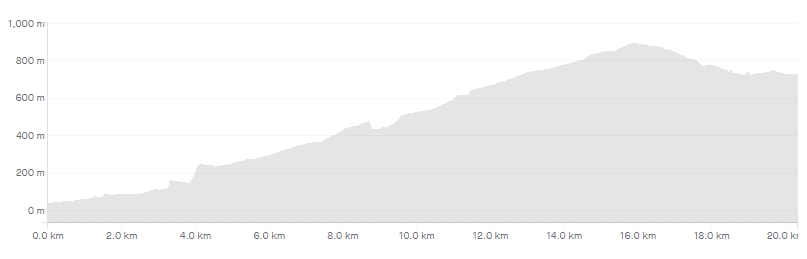
This stage has the runners going from sea level all the way up to Mount Hakone, climbing nearly 900 meter throughout the 20.8km long stage, although remarkably, most of the climbing occurs in the first ten kilometers.

This zig zag road is relentless and steep but those runners race up at incredible paces. The current stage record stands at a blistering 1h 10min 25sec for what is about a half-marathon distance, all the way up to a mountain with nearly nine hundred meters of elevation gain. Insane!

The runner who wins the stage has clearly done something special. However, only for the very best, those that break the course record, the status of God of the Mountain is reserved.

Have a look for yourself, it gets interesting from 12 minutes into the video, including a preview of the profile and most importantly portraying in great detail the obstacle that is the mountain road that each and every runner has to conquer.

……

Photo Credit under CC 4.0

Review: New Balance Summit Unknown V2

A light, fast, nimble and responsive trail racer – the second iteration of the New Balance Summit Unknown is a winner.

I loved the Summit Unknown in its first version. The shoe was supposed to be the trail option of the superb New Balance 1400v6 racing flat, which is probably my favourite running shoe. This value proposition was certainly exciting – the SU1 promised a lot.

And what a fabulous shoe it is….. if only there wouldn’t be that tongue. It made the SU1 nearly unusable, bar on really short runs. The issue was a clear and obvious design flaw with the tongue that would simply not stay in place, no matter what. In order to get a secure lock-in feel one had to tie the laces quite tightly, which would cut into the top of the foot after a few kilometers, given the tongues disappearance. Reviews of the shoe are full with complaints about the tongue.

That aside the Summit Unknown brought to the trail what the 1400v6 brings to the road: a fast, lightweight and responsive ride. Adding a few trail specific features like toe protect and solid underfoot rock protection, this shoe had the potential to be something special.

Thankfully New Balance listened to the complaints. That’s rare these days. What they have done is simple as it is remarkable: made better what was already excellent and added a new tongue. Boom!

Key Features: Summit Unknown V1 vs. V2

Tongue: First things first. As mentioned before, this has been a major design flaw and was called out by many runners. New Balance has changed the tongue completely. It now resembles the tongue of the 1400v6. Which is a good thing, because now the tongue is barely noticed – in a positive sense.

Lug-Depth: 4mm in V1, has increased to 6mm. A welcome change. 4mm were fine on forest roads but the shoe struggled in the mud. Not its fault. Wasn’t made for it. But the additional two millimeters certainly help, particularly in softer conditions. On the other hand it may not roll as well on pavement as it used to. But then this is a trail shoe anyway.

Sizing: New Balance can run short. For me, usually UK9.5 or EU44 in running shoes, they are on the narrow side but just about right for “performance shoes”, meaning fit like a glove made for racing or fast training I have rather wide feet). The same holds true for the V2, with one slight but noticeable difference in the toe box, which is a tick wider, and as a consequence has reduced chaffing and blisters the V1 constantly created on my small toes.

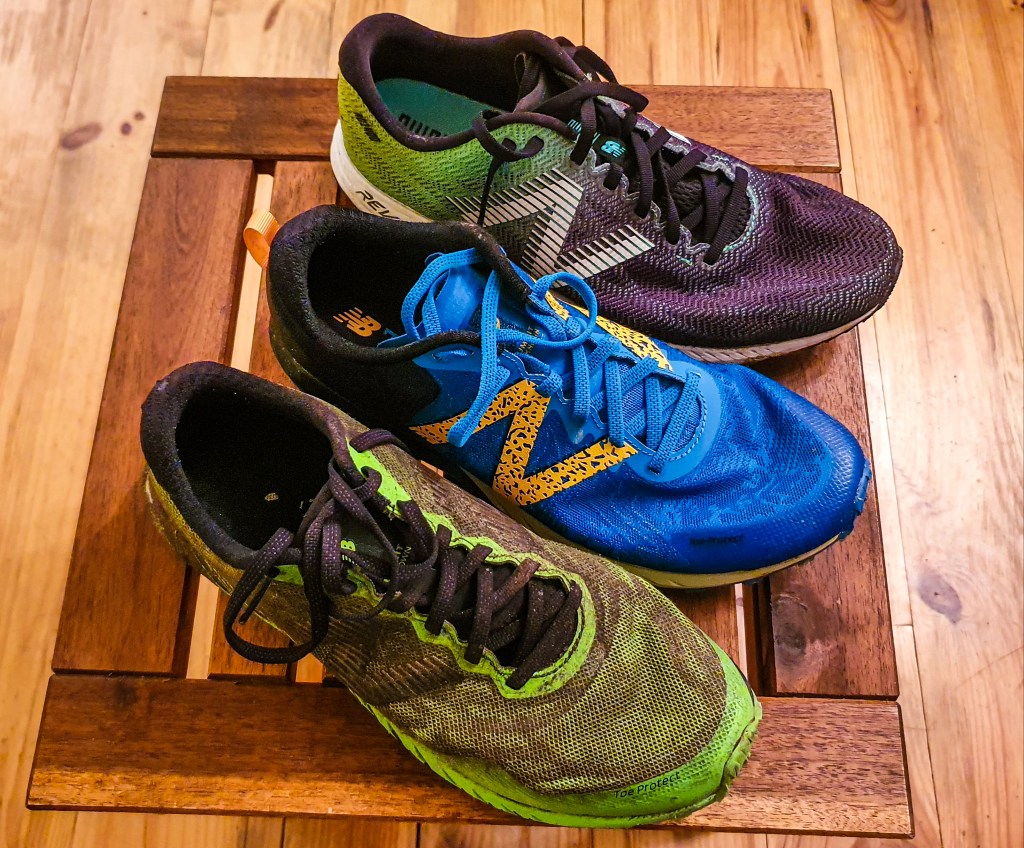
Weight: Appears to be the same as in the V1 – the V2 comes in at around 260g in my size, UK9.5 (in the photo I weighted them after a run – mud added a few grams).

That is light for a trail runner that offers as much protection as the SU does. It’s no ultra-light speedster as the Salomon S-Lab Sense 7 but it doesn’t aspire to be that.

With NB “rockform” protection and a solid toe protect feature the weight is kept down due to the light upper and the tried and tested REVlite foam that is also used in the super light 1400v6 racing flat.

Ride: Fairly similar to V1. The Summit Unknown offers a snappy, responsive ride, with decent ground contact without feeling harsh. This is thanks to a decent amount of cushioning that the excellent REVlite foam provides. This isn’t Hoka plush by any means but I never had any issues even on longer runs.

This shoe wants to go fast. Given it’s relatively light weight, it wants to you go forward, pick up the pace and sprint up that hill.

Summary: Five Stars! Congratulations New Balance. This shoe was excellent in its first version, if one looked beyond the tongue. Version 2 is the near perfect trail racer for a variety of terrain and distances (it’ll be perfect if they get it below 250g).

It probably wouldn’t be my choice for an ultra or a strictly easy day. But for anything faster I’ll grab this pair without hesitation. Granted, I’m small and light – the shoe is perhaps not one for heavy runners given the cushioning may not be enough.

I find the SU is highly comparable to the latest version of Salomon’s Sense Pro (v4). Also a good shoe for faster training, although about ten gram heavier, the ride a little harsher, while also a much higher price point.

So given the New Balance Summit Unknown V2 is currently available for about €83 (New Balance online shop) I argue that is tremendous value for money.

Critical Velocity Training

What is the one thing most runners have in common? It’s the desire to run faster. Ideally to run faster for longer, actually. No matter the level of runner – whether that’s the “weekend warrior” or the professional athlete – everyone trains with the aim of sustaining a faster pace over a longer time or distance.

Increased speed coupled with enhanced endurance equals better efficiency and in turn is the driving force behind running faster for longer. This is, so to speak, the simple equation of successful training – it’s common sense.

Where opinions divide: how to optimally achieve this ultimate goal of training? The question implies that there is an optimal way of training. That is up for debate. Not debatable is the fact that training, and the outcome of training, is a multi-faceted long-term process. With that in mind there can hardly be that one magic bullet workout: one specific session that will make every runner better, faster and more efficient.

Certainly not when seen in isolation. Successful training is the sum of many different factors: quality workouts on one hand, but other factors like recovery (sleep, nutrition), injury prevention, core strengths, life circumstances or even theoretical understanding of human physiology and how it ties in with training components – all play a role.

And yet there is one specific training stimulus that could be argued for as to be this one “magic bullet”. Remarkably this is something that is fast and fun without the need to push the body to the brink – as VO2 max workouts can do – while it is sustainable providing short-term motivation and long-term gains. Sounds too good to be true?

Muscle Fibres are Key

Let’s take a step back. Before going deeper into this we have to talk about muscle fibres. Because they influence performance in no small way and are absolutely crucial for how fast and long humans (can) run in different circumstances – whether that is an explosive all-out 100 metre sprint or a long day on the trails at slow paces with plenty of elevation.

Hill- and mountain runners fall into the category of long-distance runners – obviously. There are very few moments where we need the speed and explosiveness of a sprinter. Hence we will use primarily the so called slow-twitch muscle fibers (ST, type I).

Slow-twitch fibers use oxygen, therefore they do rely completely on aerobic energy processes and are relatively fatigue resistant, granted given oxygen supply. Compare this to the other fibre type present in the muscle: the fast-twitch fibers (two types of them: IIa and IIx). These are all about explosives and short bursts of speed. They don’t use oxygen to create that energy and as a consequence fatigue really quickly.

A good analogy of this is when we sprint all out: how long can this be sustained? Not very long. This rapid acceleration can be kept up until the fast-twitch fibres are fatigued. They fatigue rapidly and need a long time to restore energy.

Humans are predisposed as to what type of fibres are predominantly present in their muscles. Hence some are “born sprinters” while others more at home over distance events. Ever heard of the kid who finished last in the school sprint but outruns everyone in the 10k?

There is a caveat: fast-twitch IIx fibres are useless beyond explosive movements of short duration. The other type of fast-twitch fibres, the type IIa, can be viewed as a mixture of both type I and type IIx fiber characteristics.

What it means is these fibres are actually adaptable: on one hand type IIa FT muscle fibers can produce higher, more explosive output than slow-twitch fibers, while still having the ability of using oxygen as their primary energy pathway. 

This is where it becomes really interesting for runners: it has been proven that these muscle fibers (IIa) can actually be taught how to act with training over time: either like normal fast-twitch fibres, or taking on slow-twitch fibre characteristics.

This is key for us long-distance runners because we rely entirely on slow-twitch fibres. Therefore we have a vested interest in teaching the body to utilize these adaptable Type IIa fibres in a way that they act more in line with slow twitch fibres. With that in mind we want find a way to train Type IIa fibers to do exactly that: act like fatigue resistant ST fibers in order for them to help powering our muscles = run faster for longer.

The Magic Bullet

This is where critical velocity – or short: CV – training comes into play. This is the specific training stimulus I referred to earlier as the “magic bullet”.

In its essence CV training is a form of interval training with a catch: it’s specifically geared toward recruiting the type IIa muscle fibers for distance running purposes.

Made famous as a term by professional running coach Tom “Tinman” Schwarz (hence the also widely used term “Tinman Pace”), the key concept behind CV is the need for greater speed endurance and running economy, which requires that those adaptable fast twitch fibers become efficient consumers of oxygen (i.e. act like slow-twitch fibres instead of blasting energy in one short spurt), which in turn will increase the all so important “cruising speed” a runner can sustain (= lower fuel consumption, or lower heart rate at faster speeds = run faster for longer).

This concept isn’t totally new, it isn’t rocket science and has been around in one form or another, under different names, in the past. Personally, though, I quite prefer the way Schwarz explains, conceptualises and makes the use of CV in training highly practicable.

 Critical velocity is a “comfortably hard” pace runners can sustain for about half an hour. The fundamental idea being: run faster for longer.

In practice this means running intervals (time, distance, rest and repetitions are completely flexible depending on the specific runner) at a pace that Schwarz describes as “somewhat hard” or that one can hold for about half an hour.

This rather lose description lends itself to run these intervals on perceived effort, rather than the need for hitting a specific pace (given human performance can differ week to week, day to day – what feels ‘comfortably hard’ today may feel really tough another week due to life circumstances….) and therefore offers unique flexibility to all levels of runners, plus lends itself to be used on hilly terrain or trails as well.

Nonetheless, the training paces calculator Schwarz provides on his website is highly useful, at the very least as a guide, or on a more measured flat course can provide clarity around pace ranges to target. As an example for a 20min 5k runner, the calculator will provide guidance around all paces (from my experience it’s highly accurate), but most importantly around critical velocity pace:

Regardless of whether one goes by perceived effort or specific pace, the importance is not to run too fast. This is tricky because as runners we often feel we need to train as hard as possible in order to stimulate improvement. A wrong and dangerous assumption.

Make no mistake: CV pace isn’t easy. This not a moderate Z3 effort. This pace is challenging while at the same time allowing for an effort that leaves the runner with a positive experience of being able to complete a strong workout with the tangible feeling of having the ability to do “one more”, if required. It stretches the runner but doesn’t break the runner.

Ignoring this key concept would defy the logic of the workout. CV training shouldn’t leave you dead and buried at the end of training. Yes, it’s fast and challenging but the sort of “enjoyable fast effort”. If you can’t sustain the pace of the “on” interval for the entire workout then you’re running too fast.

Again: this is not all-out stuff. This is controlled, fast, sustainable, fun. Not something you dread of doing the next day. Rather something that can be used consistently, every week, in different forms. Something that offers motivation through progression. Totally flexible, providing an ever new, exciting and varied training stimulus.

In a nutshell: critical velocity training is the idea of engaging all musculature- and motor units for optimal improvement of speed endurance without accumulating too much fatigue and the subsequent need of sacrificing mileage.

Example workouts

As mentioned before, CV training is versatile, completely adaptable to the individual runner and the way one feels on the day or even the terrain encountered – as for us who run hills, training by perceived effort is a much better gauge than attempting to hit a specific pace.

Some of the workouts that I tend to do (I’m far from a professional runner):

  • 5x 5min @ CV pace / 2min jog recovery
  • 8x 3min @ CV pace / 1.5min jog recovery
  • 3x 10min @ CV pace / 2.5min jog recovery

There are plenty of other variations, of course. Also: Tom Schwarz likes to add some faster work after completion of the CV workout. Like a few 200m reps @ mile pace, or short 30sec bursts, for example.

Putting it into practice

How runners can find their CV pace is simple: go by perceived effort. It should be hard, but manageable. Something that can be sustained for about half an hour if on a continues run (alternatively take current 5k pace +5sec to 10sec on top as a rule of thumb ). If one struggles badly to finish the second rep, it’s way too fast. It should feel like a workout, of course, but it should not feel like a “going to war” workout.

Another way is to use the pace calculator on Tom Schwarz’s side, adding the most recent 5k or 10k race/TT time. With a variety of different training paces, the output will provide the prescribed CV pace.

As I’ve mentioned him a few times by now, it’s only fair to let Schwarz explain the concept of critical velocity in his own words and I recommend spending the eight minutes watching this:

Ballydonnell Brook

Ireland I Wicklow Mountains

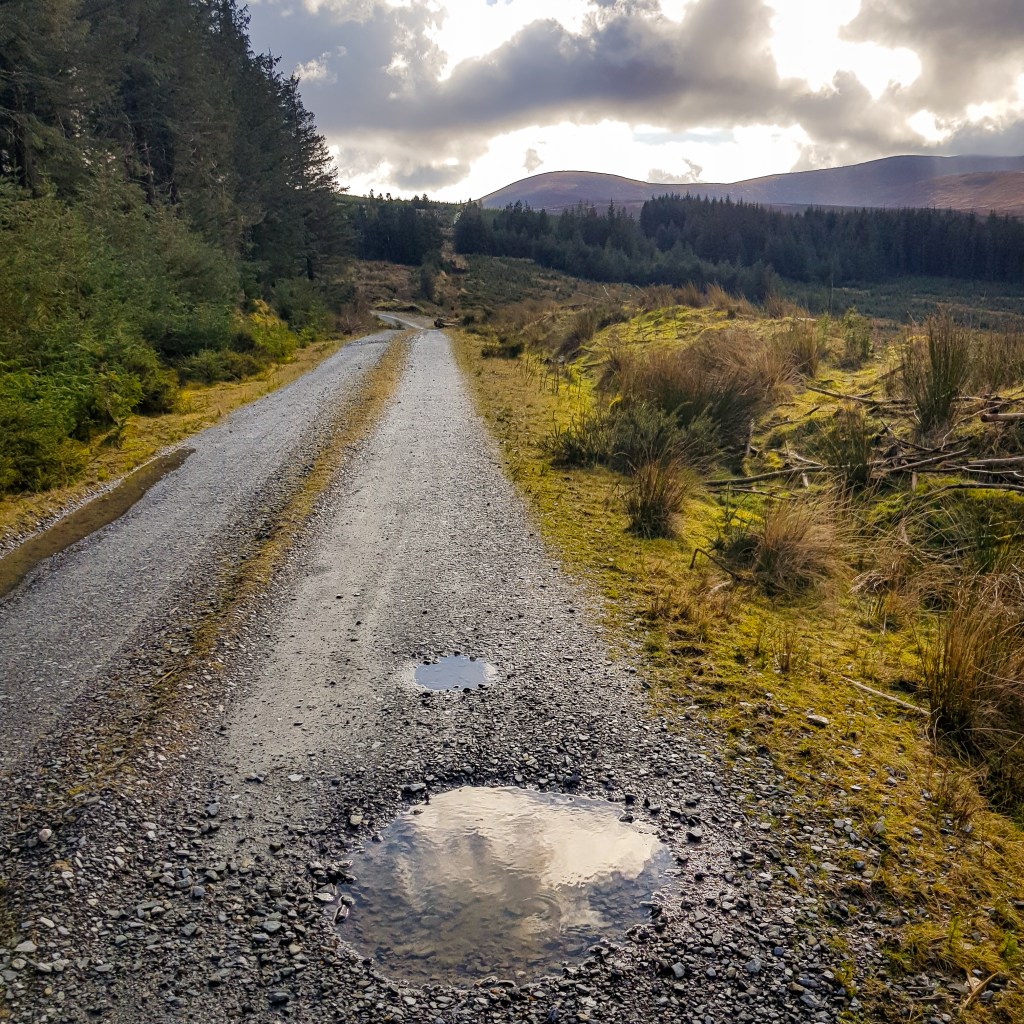
This is an easy, non-technical climb on what is to the most part a relatively smooth fireroad. The average gradient and elevation gain is nothing to shout about, but make no mistake: the profile looks easier than it is. Mainly due to a flattish start and slight dip in the middle section.

There are a couple 10%+ sections that can slow momentum, while the climb can feel a bit like a drag toward the end as it goes up the sheer never ending fire road with conifers flanking it to both sides.

You want to run the climb fast in order to truly enjoy and appreciate it. It lends itself to be the perfect trail for a high intensity/all-out/tempo/threshold workout that could be extended going up multiple times.

The start is flat from the barrier and carries the runner into the first steep ramp with full momentum. The road kicks up suddenly – totally runnable but the quads will have to work.

Negotiating the little dip that follows is a short relief, before another 10% ramp looms large. Then the trail takes a little bend: from here it’s straight to the top.

Halfway up the climb, to the left side of the main trail, you’ll find a little ramp of about 500m lengths that I find ideal for shorter hill reps – for example on the way down I may stop here to get in 200-400m reps.

Also: this hill is a wonderful downhill experience. Once on top simply turn around and let fly: perfect gradient, smooth, non-technical downhill to work on leg turnover – this is fast and furious!

There a second arm that diverts from the main trail to the right hand about 600 meters from the start on the barrier. This one leads to a newer climb – one that is shorter with a sweet final third.

With that in mind, I love this area for its variety of options to structure a workout. A rapid fire blast to the top? Shorter reps? Multiple longer ones? A combination of those? Everything is possible. And the best: there’s rarely any other soul and certainly no parking issues. Here’s only peace and quiet, most beautiful surroundings, with Sorrel Hill looming large on one side, Seefin on the other.